Hurghada & the Red Sea: Diving, Snorkeling and Beach Escapes
Few places on earth combine warm turquoise water, year-round sunshine and world-class underwater scenery as effortlessly as the Egyptian Red Sea. For anyone planning a trip to Egypt, Hurghada diving sits right at the top of the wish list, and for good reason. This sun-soaked resort town on the western shore of the Red Sea has grown from a quiet fishing village into one of the most popular diving and beach destinations on the planet, offering everything from gentle lagoon snorkeling for first-timers to technical wreck dives for hardened veterans.
This guide is your complete companion to the coast. We will look at the extraordinary marine life that makes the Red Sea famous, explore the best diving and snorkeling spots such as Giftun Island, Mahmya, Elphinstone and the legendary wrecks of Abu Nuhas, explain how to take your first PADI course, compare boat trips with shore diving, and help you decide between Hurghada, Sharm El Sheikh, El Gouna, Marsa Alam and Dahab. We will also cover beaches, water sports, desert excursions, the best time to visit and plenty of practical advice so your Red Sea escape is smooth from start to finish.
Why Hurghada Diving Is a World-Class Experience
Hurghada enjoys a privileged position along the Red Sea's western coastline, sheltered by the Eastern Desert on one side and the open Red Sea on the other. That geography produces calm water, high visibility and a huge network of reefs that sit remarkably close to shore. Many of the best dive sites are within a thirty- to sixty-minute boat ride from the marina, which means more time underwater and less time travelling.
The Red Sea is often called the world's most beautiful diving region, and Hurghada diving is the easiest way to reach it. The water temperature rarely drops below 21 degrees Celsius even in winter and climbs into the high twenties during summer, so a thin wetsuit or even a skin suit is all you need for most of the year. Add reliable liveaboard access to offshore reefs, a dozen professional dive centres and a lively resort infrastructure, and it is easy to see why Hurghada has become the default gateway for divers of every level.
Another advantage is value. Diving in Hurghada is significantly cheaper than comparable destinations in Europe, the Caribbean or Southeast Asia, yet the quality of the reef systems is arguably higher. Full gear rental, professional guides and boat transfers are all extremely affordable, and the standard of training is high, with most instructors teaching in English, German, Russian and Arabic. Whether you are coming for a single discovery dive or a week-long dive safari, Hurghada diving delivers an experience that punches far above its price point.
Practical matters are simple too. Hurghada International Airport receives direct flights from major European cities and connections from Cairo, and the journey from the airport to the resorts takes little more than twenty minutes. The town is compact, the marina is central, and almost every hotel works with at least one professional dive centre, so arranging your underwater adventures could hardly be easier. Add reliable wi-fi, modern hospitals, well-stocked supermarkets and a safe, welcoming atmosphere, and Hurghada quietly ticks every box a traveller might have.
The Red Sea's Extraordinary Marine Life
The Red Sea is not a sea at all in the geological sense but a rift valley, a young body of water that formed as the African and Arabian plates pulled apart. That isolation helped create one of the highest rates of endemism on the planet: around seventeen percent of the fish species found here exist nowhere else on earth. For the visitor, that means sightings you simply cannot get in other seas.
Hard coral gardens stretch for kilometres, broken up by sandy flats, sea grass meadows and dramatic walls that plunge into the deep. The big-ticket species include hawksbill and green sea turtles, spinner dolphins, manta rays and an astonishing variety of sharks, from white-tipped reef sharks to hammerheads on the offshore pinnacles. On the reefs themselves, angelfish, clownfish, butterflyfish, parrotfish, triggerfish and giant moray eels move through the coral in a constant, colourful parade. Napoleon wrasse, some as large as a man, will often cruise past divers with surprising calm.
Snorkelers are not left out either. The shallow lagoons around Giftun Island and the house reefs of many resorts hold thriving communities of fish and coral that are visible in just a metre or two of water. It is possible to drift face down over a garden of anemones and watch clownfish dart between the tentacles, or follow a green turtle as it glides along a sandy channel. The sheer density of life is one of the defining experiences of Red Sea snorkeling, and it is the reason so many visitors arrive planning one day in the water and end up booking five.
| Marine life | Where to see it | Best season |
|---|---|---|
| Spinner dolphins | Dolphin House, offshore shoals | Year-round |
| Green & hawksbill turtles | Giftun Island, Marsa area reefs | Year-round |
| Napoleon wrasse | Elphinstone, offshore walls | Year-round |
| White-tip reef sharks | Elphinstone, Gota Abu Ramada | Summer & autumn |
| Manta rays | Elphinstone, offshore plateaus | Spring to autumn |
| Clownfish & anemones | Giftun Island, Mahmya lagoon | Year-round |
| Moray eels & octopus | House reefs, wreck sites | Year-round |
| Lionfish & stonefish | Reef slopes and crevices | Year-round |
A responsible approach to marine life makes the experience better for everyone. Choose dive operators that follow environmental guidelines, never touch or stand on the coral, and keep a respectful distance from turtles and dolphins. Many operators in Hurghada are actively involved in reef conservation, and supporting them helps protect the very ecosystem you came to see.
Best Hurghada Diving and Snorkeling Spots
The waters around Hurghada offer such a range of experiences that the hardest part of planning is deciding where to begin. The list below covers the highlights, from relaxed island lagoons to advanced wreck penetrations, with an honest note on what each site demands.
Giftun Island and the Giftun Islands National Park
Giftun Island is the face of Red Sea snorkeling. Part of a protected marine park, the island sits just offshore from Hurghada and is the destination of choice for almost every day-trip boat. Its lagoon side is shallow, calm and full of life, perfect for anyone stepping into the water with a mask for the first time. The seaward side drops off into coral walls and blue water where you might spot a turtle or a passing reef shark.
Most boat trips to Giftun include two or three snorkeling stops, a swim stop on a sandy beach, and a barbecue lunch served on board or on the island. Because the park entrance fee is built into the trip price, there are no hidden charges. For divers, the reefs surrounding Giftun offer gentle drift dives along coral walls at moderate depth, making this a superb introduction to the region. The Giftun Island experience is widely considered the highlight of any Hurghada beach holiday.
Mahmya on Giftun Island
Mahmya is a premium beach club and snorkeling zone located within the Giftun Islands National Park. It is sometimes described as Hurghada's private paradise, offering a pristine stretch of white sand, crystal-clear shallow water and a laid-back atmosphere that feels a world away from the busy marina. The protected lagoon is ideal for families, with gentle depths and coral gardens that glow under the morning sun.
The advantage of Mahmya is comfort. A catamaran transfers you across in style, and once on the island you have loungers, thatched shade, a restaurant serving grilled seafood and quiet corners where you can simply float and watch the fish. Snorkeling gear is provided, and guided snorkeling tours of the lagoon are available. It is a half-day or full-day trip that pairs perfectly with a relaxing holiday pace.
Elphinstone Reef
Elphinstone is the offshore gem of the Hurghada region, a dramatic reef plateau rising from the deep about an hour's boat ride from the marina. Unlike the coral gardens closer to shore, Elphinstone is a wall dive with steep drop-offs, strong currents and the real possibility of big animal encounters. Hammerhead sharks, thresher sharks, oceanic whitetips and manta rays all patrol its northern plateau at various times of the year.
Because of the currents, depth and drift conditions, Elphinstone is best suited to experienced divers with advanced certification, though confident open water divers can join well-run groups with a guide who knows the reef's moods. It is not a site for beginners or snorkelers. In return for the effort, you get some of the most thrilling diving the Red Sea can offer, with sheer walls, overhangs and a sense of wilderness that is rare this close to a resort town.
The Abu Nuhas Wrecks
Abu Nuhas is a reef near the entrance to the Gulf of Suez, famous for claiming four ships and gifting divers one of the world's greatest wreck collections. The most visited is the Giannis D, a Greek cargo ship that sank in 1983 and now rests upright in shallow water, its holds open for easy exploration. The Chrisoula K, a cargo vessel carrying steel pipes, lies close by and is a favourite for photographers because of its almost intact silhouette. The Kimon M and the Carnatic complete the quartet, the Carnatic being a nineteenth-century paddle steamer whose wreck is now encrusted with corals and teeming with fish.
These wrecks are accessible to open water divers, with maximum depths ranging from about twenty-two to twenty-nine metres depending on the wreck. Because the site is a day trip from Hurghada, it is usually combined with other reefs in the area to fill a full diving day. For snorkelers the shallower parts of the Giannis D can sometimes be reached, but the wrecks are primarily a diver's destination.
SS Thistlegorm
For advanced divers, the SS Thistlegorm is the holy grail of Red Sea wrecks. A British World War Two cargo ship sunk by German bombers in 1941, she sits upright in about thirty metres of water in the Straits of Gubal, roughly a four-hour boat ride or an overnight liveaboard from Hurghada. Inside her holds lie motorcycles, trucks, jeeps, railway wagons, aircraft parts and ammunition crates, perfectly preserved in the cool depths and overgrown with coral.
Diving the Thistlegorm demands at least an advanced open water certification and ideally some wreck experience, since the interior penetration is dark, silty and easy to get disoriented in. A guide with a torch is essential. The currents around the wreck can be strong, so timing and briefing matter. This is a once-in-a-lifetime dive, and a growing number of Hurghada operators offer Thistlegorm trips that include a night on board, letting you dive the wreck at dawn when the visibility is at its best.
Dolphin House
Dolphin House is the affectionate name for the sandy shallows off the island of Abu Ghusun and the nearby shoal areas where pods of spinner dolphins regularly gather. The site is famous for the possibility of swimming alongside dolphins as they rest and play in the afternoon. It is a shallow, sandy and easy dive or snorkel site, suitable for beginners, and the encounters are genuinely magical when the dolphins decide to come close.
There is an important ethical note: dolphins are wild animals, and good operators approach them slowly and let the dolphins set the terms of the encounter. Chasing or surrounding them is both illegal and counterproductive. Choose a reputable operator with a strong reputation for responsible wildlife interaction, and you have every chance of a respectful, unforgettable meeting.
| Dive site | Level | Max depth | Best for |
|---|---|---|---|
| Giftun Island reefs | Beginner to advanced | 5–25 m | Snorkeling, soft corals, first dives |
| Mahmya lagoon | Snorkeler / beginner | 1–6 m | Families, relaxed snorkeling |
| Elphinstone | Advanced | 20–60 m+ | Sharks, mantas, wall dives |
| Abu Nuhas wrecks | Open water & up | 22–29 m | Wreck diving, photography |
| SS Thistlegorm | Advanced + wreck | 30 m | Historic wreck penetration |
| Dolphin House | Beginner | 5–12 m | Dolphin encounters |
Learning to Dive: PADI Courses and Beginner Hurghada Diving
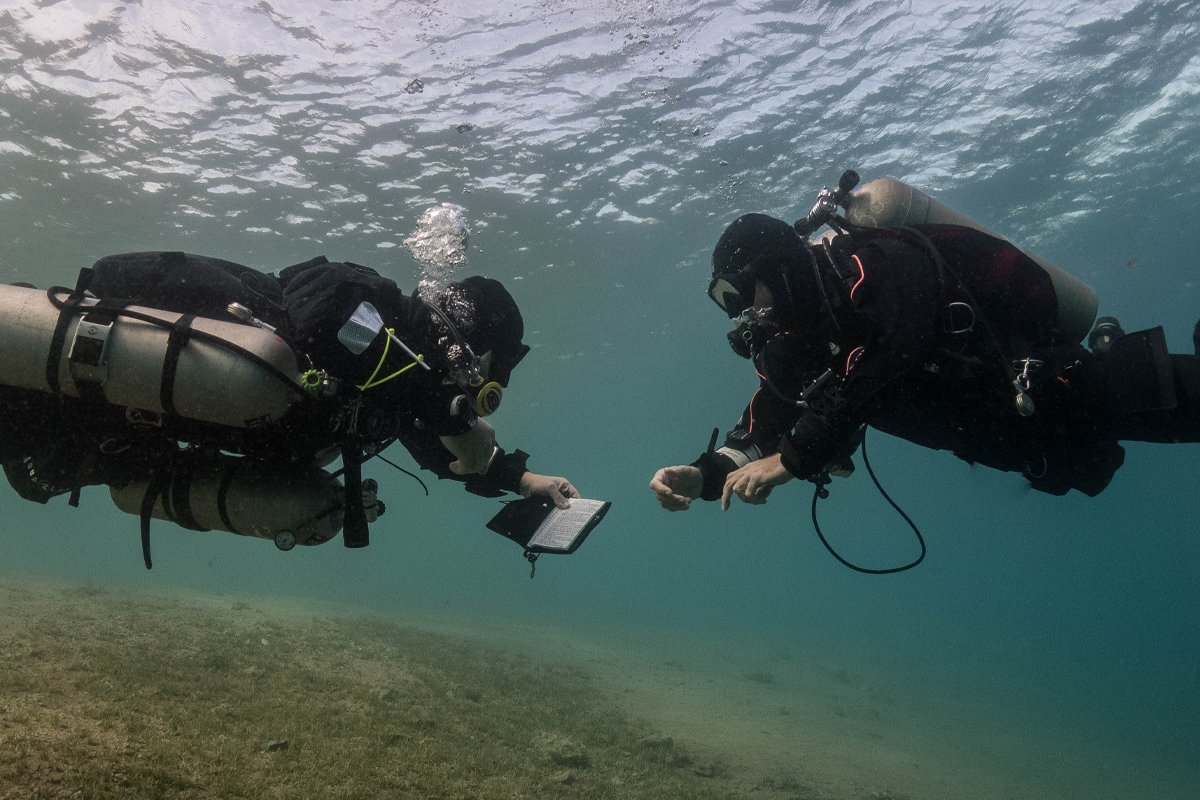
If you have never dived before, Hurghada is one of the best places in the world to learn. The combination of warm, clear water, calm conditions, professional instructors and low prices makes it the perfect classroom. Most dive centres are PADI-certified, and many also teach SSI, TDI and other international agencies, so the certification you earn in Egypt is recognised everywhere in the world.
The typical path starts with a Discovery Dive, a short session in shallow water where you try breathing underwater with an instructor before committing to a full course. If the hook is set, and it almost always is, you move on to the PADI Open Water Diver course. This takes three to four days and includes theory, confined-water skills and four open-water dives, usually spread over two or three mornings so you still have afternoons free for the beach or a boat trip.
Beginner diving in Hurghada is remarkably approachable. The training dives take place on gentle reefs in calm, warm water, and most people finish their course having seen turtles, moray eels, octopus and clouds of reef fish. Certification prices in Hurghada are among the lowest in the world, and most packages include all equipment, the manual, insurance and a certification card. The Advanced Open Water course, which adds deep diving, navigation and an option such as wreck or drift diving, is a natural next step and can often be completed within two more days.
A few practical notes for beginners. Arrive well-rested and avoid flying within twenty-four hours of your last dive. Be honest with your instructor about any medical conditions, and never dive if you are congested or unwell. Bring your own mask if you can, simply because a comfortable fit makes learning far easier, but rental equipment in the better centres is modern and well maintained. Most importantly, relax: the Red Sea is exceptionally forgiving, and thousands of complete beginners leave Hurghada every year with a new certification and a lifelong habit.
Boat Trips vs Shore Diving in Hurghada
One of the first decisions a diver makes in Hurghada is whether to join a day boat or stick to shore-based diving. Both have strong arguments, and most visitors end up doing a mix of the two.
Boat trips open up the wider reef system. Daily boats leave the marina in the morning and spend the day visiting two or three sites, with two dives each for certified divers and snorkeling stops for everyone else. Lunch, soft drinks, water and snacks are almost always included, along with tanks, weights and a divemaster. The big boats have shaded sundecks, toilets and plenty of space to relax between dives, while the smaller rib boats offer a more personal feel and quicker access to offshore reefs. For diving days, the boat is part of the experience.
Shore diving has its own appeal. Many Hurghada resorts and dive centres sit directly on a house reef, which means you can walk into the water from the beach, descend onto a living coral garden and spend an hour exploring on your own schedule. House reef dives are usually free or very cheap for hotel guests, and they are superb for practicing skills, doing night dives, or simply enjoying a lazy second dive of the day. Night diving on a house reef, with torches sweeping over sleeping parrotfish and hunting octopus, is one of the great underrated experiences of a Hurghada holiday.
For snorkelers the same logic applies. Shore snorkeling lets you slip into the water whenever you like, while a boat trip takes you to island lagoons and offshore reefs that the beach can never match. If time allows, do both: a quiet house reef session on your first day to acclimatise, then a full-day boat trip to Giftun and beyond for the headline sights.
Beaches in and around Hurghada
Hurghada's beaches are the backbone of its appeal. Along the seafront boulevard of the Old Town and the newer resort district of Sakkala, you will find lively public beaches, beach clubs and a long corniche lined with cafés and restaurants. The water here is clean, shallow and pleasant for swimming, though the coral life is better a short distance offshore.
The real beach gems are the ones connected to the resort hotels. Most of the big five-star properties along the coastal strip own or lease private stretches of sand with loungers, palm shade, beach bars and a house reef. These beaches are the definition of an easy holiday: breakfast, a swim, a book, lunch, an afternoon snorkel and a sunset drink, all without leaving your sunbed.
Beyond the resorts, the public and club beaches worth knowing include Paradise Beach and the small coves around the Giftun Islands, which are reached by boat. For a quieter scene, head north to the sandspits and lagoons near Makadi Bay or Soma Bay, where the beaches are broader and the water even calmer. Wherever you choose, pack reef-safe sunscreen, because the standard chemical sunscreens damage the very corals you are swimming above, and plenty of operators and parks now enforce this rule.
Water Sports in Hurghada
When the mask and fins need a rest, Hurghada has a complete menu of water sports to fill the time. Jet skis, parasailing, wakeboarding and waterskiing are available at most beach clubs and major hotels, usually priced by the fifteen-minute session. Banana boat and sofa rides are a guaranteed laugh for groups and families, and glass-bottom boats offer a dry way to see the reef for non-swimmers.
Kitesurfing and windsurfing deserve a special mention. Hurghada sits in a bay that catches reliable north winds through the summer, making it one of the best kitesurfing locations in the region, with several dedicated kitesurfing centres and shallow lagoons perfect for beginners. SUP and sea kayak rentals let you paddle out quietly to the reef line, and pedal boats are a gentle option for children.
For something different, a submarine or semi-submersible tour takes you below the surface in comfort, and the evening versions add underwater lights that attract curious fish. Deep-sea fishing trips for tuna, barracuda and dorado are popular with anglers, while the yacht trips that combine a sailing day with swimming and snorkeling stops are a romantic and relaxed way to spend the daylight hours. Between the diving, the beach and the water park, there is simply no such thing as a dull day in Hurghada.
Hurghada vs Sharm El Sheikh, El Gouna, Marsa Alam and Dahab
Egypt's Red Sea coast offers several famous bases, and choosing between them can be the most confusing part of planning a trip. Each has its own character, and the right answer depends entirely on what you want from a holiday.
Hurghada is the largest and most developed resort town, with the widest choice of hotels, restaurants, dive centres and day-trip operators, plus an international airport that makes it easy to reach. It offers the best combination of nightlife, family facilities and access to a huge variety of dive sites, including the Thistlegorm. Sharm El Sheikh, on the other side of the Sinai, is quieter by comparison but sits beside the world-famous Ras Mohammed National Park, which many divers rate as the single best reef system in Egypt.
El Gouna, thirty kilometres north of Hurghada, is a purpose-built lagoon community with a polished, European feel, boutique hotels, golf and an excellent kitesurfing scene, though its diving is more limited than Hurghada's. Marsa Alam, further south, is the place for reef diving at its rawest: pristine sites such as Abu Dabbab and Elphinstone's southern neighbour are reached by long boat rides, and the accommodation is more remote and less developed. Dahab, on the Sinai coast, is the backpacker and freediver capital, famous for the Blue Hole and an incredibly relaxed hippy vibe, but with no big resorts and a long drive from anywhere.
| Destination | Best for | Diving character | Downsides |
|---|---|---|---|
| Hurghada | Families, nightlife, value | Huge variety, wrecks & reefs | Crowds in high season |
| Sharm El Sheikh | Classic reef diving, couples | Ras Mohammed & Tiran | Less lively town |
| El Gouna | Kitesurfing, relaxing, golf | Moderate, good house reefs | Fewer premium dive sites |
| Marsa Alam | Remote reef diving | Pristine offshore reefs | Long transfers, quiet nightlife |
| Dahab | Backpackers, freediving | Blue Hole, shore dives | No big resorts |
The practical verdict is simple. If you want one easy, well-rounded destination with diving, beaches, activities and everything within reach, choose Hurghada. If you are a hardcore diver chasing pristine offshore reefs and do not mind long boat rides, choose Marsa Alam. If you want an upmarket beach holiday with a touch of sophistication, choose El Gouna. If you want the world's most iconic shore dive and a bohemian town, choose Dahab. For most first-time visitors to Egypt, though, Hurghada remains the perfect starting point.
Hurghada Diving Costs and Practical Booking Tips
One of the most pleasant surprises about the Red Sea is how far your money goes. Hurghada diving prices undercut almost every other famous dive destination in the world, while delivering comparable or better reef quality. A guided two-tank boat dive with full equipment, lunch and transfers typically costs a fraction of what the same day would set you back in the Mediterranean, the Caribbean or Southeast Asia, and multi-day packages push the value even further.
When comparing operators, look beyond the headline price. The best dive centres include tanks, weights, dive insurance, guides, transfers and lunch in the package, while cheaper outfits may add extra charges for equipment hire, park fees or nitrox. A good operator will show you its boats, introduce you to the dive guide and explain the schedule before you commit. Check recent reviews, ask how many divers go on each boat, and confirm the ratio of guests to guides: smaller groups mean more attention and safer diving.
Booking is straightforward. You can arrange day trips and courses in person at the marina once you arrive, which gives you flexibility and the chance to inspect the operation first, or book online in advance through your hotel, an agent such as Maddy Tours Egypt, or the operator directly. In high season, the most popular boats and the limited Thistlegorm trips sell out, so reserving ahead of time is wise. Pay in Egyptian pounds or by card, keep your certification card on your phone or in your dive bag, and always confirm your pickup time the night before. With a little planning, your Hurghada diving holiday is a stress-free, excellent-value experience from the first day to the last.
Desert Excursions from Hurghada
The Red Sea may be the headline, but Hurghada's position on the edge of the Eastern Desert makes it the base for a superb range of desert adventures that balance the water time beautifully.
The most popular is the quad bike safari. Tours head out into the desert in the late afternoon, when the heat softens and the light turns golden, and groups ride bouncing across dunes and gravel plains to a Bedouin village or desert camp. The pace is safe for complete beginners, helmets and goggles are provided, and the experience of riding an ATV into an endless red-gold landscape while the sun drops toward the horizon is one of the great souvenirs of a Hurghada holiday.
At the Bedouin camp, the evening continues in traditional style: sweet mint tea, fresh bread baked in the sand, a simple dinner of grilled chicken, rice and salads, and entertainment such as camel rides, henna painting and music around the fire. The full trip usually lasts four to five hours and includes hotel pickup and drop-off, making it an effortless addition to any itinerary. Jeeps and buggies are also available if quads are not your style.
Other desert excursions worth considering include a day at the Valley of the Monkeys, an eroded sandstone canyon of sculpted rock and hidden pools, and longer overland trips toward the monastery of Saint Anthony, one of the oldest monasteries in the world, set deep in the desert south of Hurghada. Sunset camel rides along the coast and stargazing trips that end with a powerful telescope on the night sky complete the picture. The desert is not the afterthought of a Red Sea holiday; it is part of the reason the region is so special.
When to Go: The Best Time to Visit Hurghada
Hurghada enjoys more than three hundred days of sunshine a year, so there is genuinely no bad month to visit. The choice comes down to what you want from your holiday.
October, November, April and May are the sweet spot for most visitors. Daytime temperatures hover around 26 to 30 degrees Celsius, the sea is warm and comfortable, and the resorts are less crowded than the summer peak. Divers particularly love the late spring and autumn months because visibility is excellent and the reefs are alive with fish.
The summer months of June through September are hot and busy, with temperatures regularly passing 35 degrees Celsius and a steady stream of European holidaymakers. The sea becomes a bathtub, perfect for swimming, snorkeling and kitesurfing, and the reliable wind makes it the favourite season for water sports. Winter, from December to February, is the quiet season: air temperatures are pleasant in the mid-twenties by day but cold at night, and the sea drops to around 21 degrees Celsius, which is still diveable in a short wetsuit. Prices in winter are the lowest of the year, and the sites are delightfully empty.
One seasonal note for divers: the water clarity tends to peak in autumn, while the chance of hammerhead sightings at offshore sites such as Elphinstone increases in the winter months. For most travellers, though, the simple rule is that October and April are the best balance of comfort, conditions and crowd levels, while summer suits water sports fans and winter suits budget travellers who do not mind a wetsuit.
Family vs Couples: Who Is Hurghada For?
Hurghada has quietly become one of the best family holiday destinations in the eastern Mediterranean, and the resorts have been built with children firmly in mind. Most large hotels run kids' clubs, shallow pools, waterslides, evening entertainment and family rooms, and the calm, shallow water along the coast is safe for young swimmers. Snorkeling with a life jacket in the lagoon shallows is something even five-year-olds can enjoy, and a supervised kids' first dive experience is available from around age eight. Restaurants across town serve familiar international food, so fussy eaters are well catered for.
For couples, Hurghada offers a different kind of romance. Sunset sailing trips, private beach dinners, couples' spa treatments and the golden quiet of a boat trip at dusk make it easy to escape the family crowds. The adults-only resorts and premium beach clubs such as Mahmya create pockets of tranquillity, while the more adventurous couples can combine diving, desert evenings and long dinners along the marina. Whether you arrive with a pushchair or a pair of dive fins, Hurghada adapts to you rather than the other way around.
As a general rule, families should choose a hotel with a kids' club, a shallow pool and a safe lagoon beach, and keep the diving sessions short in the early morning so afternoons stay relaxed for the children. Couples, meanwhile, will get the most from a quieter adults-only property, a private beach club visit and one or two full-day activities such as the Giftun boat trip or a desert safari. Either way, a short mix of structured activities and unstructured beach time always makes the best holiday, in Hurghada more than anywhere else along the Egyptian coast.
Frequently Asked Questions
| Question | Answer |
|---|---|
| Is Hurghada diving suitable for beginners? | Yes. Calm, warm, clear water and gentle reefs make it one of the easiest places in the world to learn, with discovery dives and full PADI courses widely available. |
| Do I need to be a certified diver to snorkel? | No. Snorkeling requires no certification, only a mask, fins and a life jacket. Many spots such as Giftun Island and Mahmya are perfect for first-time snorkelers. |
| What is the best time of year to visit Hurghada? | October, November, April and May offer the best balance of weather, calm seas and lighter crowds. Summer is best for water sports, winter for budget trips. |
| Can I dive the SS Thistlegorm from Hurghada? | Yes, but it is a full day or an overnight trip. It requires advanced certification and wreck experience because of depth, currents and dark interior spaces. |
| Do I need travel insurance for diving? | It is strongly recommended. Choose a policy that specifically covers scuba diving, since standard travel insurance often excludes diving beyond a certain depth. |
| How much does a day boat trip cost in Hurghada? | Prices vary by season, but day boat trips with two dives, lunch and transfers are typically very affordable compared with Europe or the Caribbean. |
| Is it safe to swim with dolphins at Dolphin House? | Yes, when done responsibly with a reputable operator who lets the dolphins control the encounter and follows wildlife guidelines. |
| What should I pack for a Red Sea holiday? | Reef-safe sunscreen, a rash guard, a hat, polarized sunglasses, dive certification if you have one, and a light jacket for air-conditioned transfers and winter evenings. |
Plan Your Hurghada and Red Sea Escape
From the coral gardens of Giftun Island to the deep wrecks of Abu Nuhas and the sharks of Elphinstone, the Red Sea around Hurghada offers an embarrassment of underwater riches, wrapped in a destination that is easy, safe and extraordinarily good value. Whether you are a complete beginner about to make your first breath underwater, a certified diver chasing bucket-list wrecks, a family building beach memories, or a couple looking for sunset romance, this coast has a version of paradise waiting for you.
Ready to dive in? Maddy Tours Egypt can tailor a complete Hurghada and Red Sea tour for you, combining the right resorts, boat trips, diving days, beach escapes and desert excursions into one seamless itinerary, all handled by a local team who know this coast intimately. Contact us today to start planning your Red Sea adventure.