Best Nile Cruise Itineraries: Luxor to Aswan
Planning the perfect Nile cruise itinerary from Luxor to Aswan is one of the most rewarding parts of a holiday to Egypt. For more than a century, travellers have drifted down the Nile in comfort, waking up each morning to a new temple, tomb, or riverside village framed by palm trees and desert cliffs. Whether you have three nights or a full week, the classic Luxor to Aswan route packs an extraordinary concentration of ancient wonders into a single, unforgettable journey. This guide walks you through every option, from the standard four-night sailing beloved by first-timers to extended seven-night adventures and the boutique charm of a Dahabiya cruise in Egypt. By the end, you will know exactly how to choose the best Nile cruise itinerary for your budget, your pace, and your travel style.
At Maddy Tours Egypt, we have been arranging Nile cruises for years, and we know that the difference between a good holiday and a brilliant one often comes down to the details: which bank your ship docks at, which excursions are included, what time the temple opens, and how many nights you really need. This article answers all of those questions and more. Read it before you book, and you will step aboard feeling like a seasoned Nile traveller already.
Why a Nile Cruise Itinerary Is the Best Way to See Upper Egypt
The temples of Upper Egypt are spread along roughly two hundred kilometres of river between Luxor and Aswan. Without a cruise, you would face a series of long road transfers, hotel check-ins and check-outs, and a complicated patchwork of day trips. A Nile cruise collapses all of that into one smooth river journey: your floating hotel moves overnight while you sleep, so you wake up docked at the next destination, rested and ready to explore.
There are practical advantages too. Your luggage stays unpacked for the entire trip. Meals are included, which makes budgeting far easier. The onboard crew come to know your preferences by the second day. And because cruise ships travel in a convoy and dock in well-organised groups, you benefit from the safety and convenience of a professional operation at every stop. For families, couples, and solo travellers alike, the classic Luxor to Aswan cruise remains the most comfortable, efficient, and scenic way to see the monuments that define ancient Egypt.
The Ports of Embarkation: Luxor and Aswan
Every great Nile cruise itinerary begins at one of two extraordinary cities, and it helps to understand both before you decide where to start. Luxor, once the ancient capital of Thebes, is often described as the greatest open-air museum in the world. On the east bank of the river stand the great temple complexes of Karnak and Luxor Temple, while across the water the west bank rises into the barren desert hills of the Valley of the Kings and Valley of the Queens. The city itself is lively, dusty, and endlessly photogenic, with a corn syrup smell of spice and coffee drifting from the souk that runs alongside the temple wall. Most visitors fly into Luxor International Airport directly from Cairo, but the overnight sleeper train from Cairo is a charming alternative that many of our travellers enjoy.
Aswan, at the southern end of the route, could hardly be more different. Smaller, greener, and more relaxed, it sits on the edge of the Nubian region and has a gentle, holiday feel that has attracted travellers since Victorian times. The granite islands and cataracts of the river here are the most beautiful scenery on the whole journey, and the town's souk is quieter and more enjoyable for shopping than most in Egypt. Aswan is reached by a short internal flight from Cairo, or by train along the route that famously ends where the desert and the High Dam meet. Whichever city you choose to start from, both airports are well connected, and our team will arrange your transfers so that the only decision you need to make is whether to gaze at the palm trees from the deck or from the pool.
Choosing the Right Nile Cruise Itinerary Length
Cruises between Luxor and Aswan typically last three, four, five, or seven nights. The four-night option is by far the most popular, and for good reason: it covers all of the headline sights at a relaxed pace without eating into too many holiday days. Three-night cruises suit travellers who are adding a cruise on to a wider Egypt tour and are happy to skip a couple of lesser-known sites. Five-night and seven-night itineraries add extra temples, Nubian experiences, and slower afternoons on deck.
The direction of your journey matters as much as its length. Most ships sail from Luxor south to Aswan (with the current, slowly), while a smaller number sail north from Aswan to Luxor. The sights are the same either way; only the order changes. Below we break down each Nile cruise itinerary in detail so you can match the schedule to your own priorities.
The Standard 4-Night Luxor to Aswan Cruise Itinerary
The four-night sailing is the benchmark Nile cruise itinerary for most visitors, and nearly every major river ship offers it. You embark in Luxor on day one and disembark in Aswan on day five, with one full day of sightseeing on each bank of the river plus a gentle day of sailing in between. Here is how the days unfold in practice.
| Day | Port / Sailing | Excursions | Meal Plan |
|---|---|---|---|
| Day 1 | Embark in Luxor | Check-in, welcome briefing, optional sunset felucca or Luxor Temple visit | Dinner |
| Day 2 | Luxor West Bank then sail to Edfu | Valley of the Kings, Hatshepsut Temple, Colossi of Memnon | Breakfast, Lunch, Dinner |
| Day 3 | Sail Edfu to Kom Ombo | Horus Temple at Edfu, then evening Sobek Temple at Kom Ombo | Breakfast, Lunch, Dinner |
| Day 4 | Kom Ombo to Aswan | High Dam, Unfinished Obelisk, Philae Temple by boat | Breakfast, Lunch, Dinner |
| Day 5 | Disembark in Aswan | Optional Abu Simbel morning trip or Nubian village visit | Breakfast |
Day one is a gentle introduction. Most ships welcome guests from early afternoon, and if you arrive in Luxor on the morning flight from Cairo you will have time to relax, settle into your cabin, and perhaps take an evening stroll to Luxor Temple, which is spectacularly floodlit after dark. Dinner on board gives you your first taste of the cruise kitchen, and the captain's welcome sets the tone for the days ahead.
Day two is the big one for history lovers. A morning tour of the West Bank takes you to the Valley of the Kings, where you can descend into the rock-cut tombs of pharaohs including Ramses the Great, and the day continues to the soaring terraces of Queen Hatshepsut's temple at Deir el-Bahri. The Colossi of Memnon guard the approach, and many itineraries stop here for photographs before returning to the ship for lunch. In the afternoon the ship slips its moorings and begins the gentle sail south towards Edfu, and this is one of the loveliest times of the day to be on the sun deck.
Day three begins with a horse-drawn carriage ride to the Temple of Horus at Edfu, the best-preserved Ptolemaic temple in Egypt and one of the most atmospheric stops on any Nile cruise itinerary. The ship sails on to Kom Ombo during the afternoon, and by late afternoon you disembark at a temple that is unique for being dedicated to two gods at once, Sobek the crocodile god and Horus the falcon. Its position directly on the riverbank means the evening light is magical, and the small on-site museum holds mummified crocodiles that fascinate children and adults alike.
Day four brings you into Aswan. The morning usually includes the Aswan High Dam, the Unfinished Obelisk in the granite quarries, and the star attraction of the day: the Temple of Philae, reached by a short motorboat ride across the reservoir. Philae is arguably the most beautiful temple complex on the whole river, and visiting it in the late afternoon, when the crowds thin, is a highlight you will remember for years. Your final dinner on board is often a gala occasion with a folklore show afterwards.
Day five is disembarkation morning in Aswan. If you have time before your flight or onward transport, the optional Abu Simbel excursion is the most popular add-on (details below), or you can spend a relaxed morning at the Nubian Museum or a traditional Nubian village on Elephantine Island.
The 3-Night Nile Cruise Itinerary
A three-night cruise squeezes the classic route into a tighter frame. You generally embark in Luxor, visit the West Bank on day one of sailing, sail past Edfu and Kom Ombo on the following day, and arrive in Aswan for Philae and the High Dam before disembarking. Some operators combine Edfu and Kom Ombo visits into a single afternoon, which works well but does mean a busier day.
The three-night option is an excellent choice for travellers who are combining the cruise with Cairo, a Red Sea resort, or a desert safari, and who want the river experience without committing a full week. It covers the unmissable sights, though you will sacrifice some of the slow sailing time that many people love about longer cruises. If you are a first-time visitor with a generous holiday allowance, we would gently suggest stretching to four nights instead.
The 5-Night Nile Cruise Itinerary
Five nights gives you the best of both worlds: the classic sights plus breathing room. The extra day is usually spent in Aswan, where the itinerary opens up space for the Nubian Museum, a boat ride to the botanical gardens on Kitchener's Island, or an afternoon in a Nubian village. Some five-night sailings also travel all the way to Abu Simbel by road from Aswan as part of the standard programme, saving you the separate excursion fee.
The looser structure also means more time for the things that make a cruise memorable: a swim in the pool while the landscape drifts past, a shisha on the sundeck, an hour with a book, or a photography session at sunset. For many of our guests, the five-night itinerary is the sweet spot between sightseeing and relaxation, and it is especially popular with couples and photographers.
The 7-Night Grand Nile Cruise Itinerary
For the traveller who wants the complete river experience, a seven-night sailing extends the journey north of Luxor to include Dendera and Abydos, two magnificent temple complexes that shorter cruises miss. The grand itinerary typically runs from Cairo or Luxor, adding the Temple of Hathor at Dendera and the vast funerary temple of Seti I at Abydos, both considered masterpieces of ancient Egyptian architecture and both far less crowded than the monuments on the classic route.
After those extras, the ship rejoins the classic sequence of the Valley of the Kings, Edfu, Kom Ombo, and Aswan, so you see everything in one continuous journey. A week on the river is also a genuine rest holiday rather than a sightseeing sprint; you will return home tanned, relaxed, and with a deep appreciation for the rhythm of Nile life. This is the Nile cruise itinerary we recommend to repeat visitors and to anyone celebrating a special anniversary.
Best Nile Cruise Ships: Classes Compared
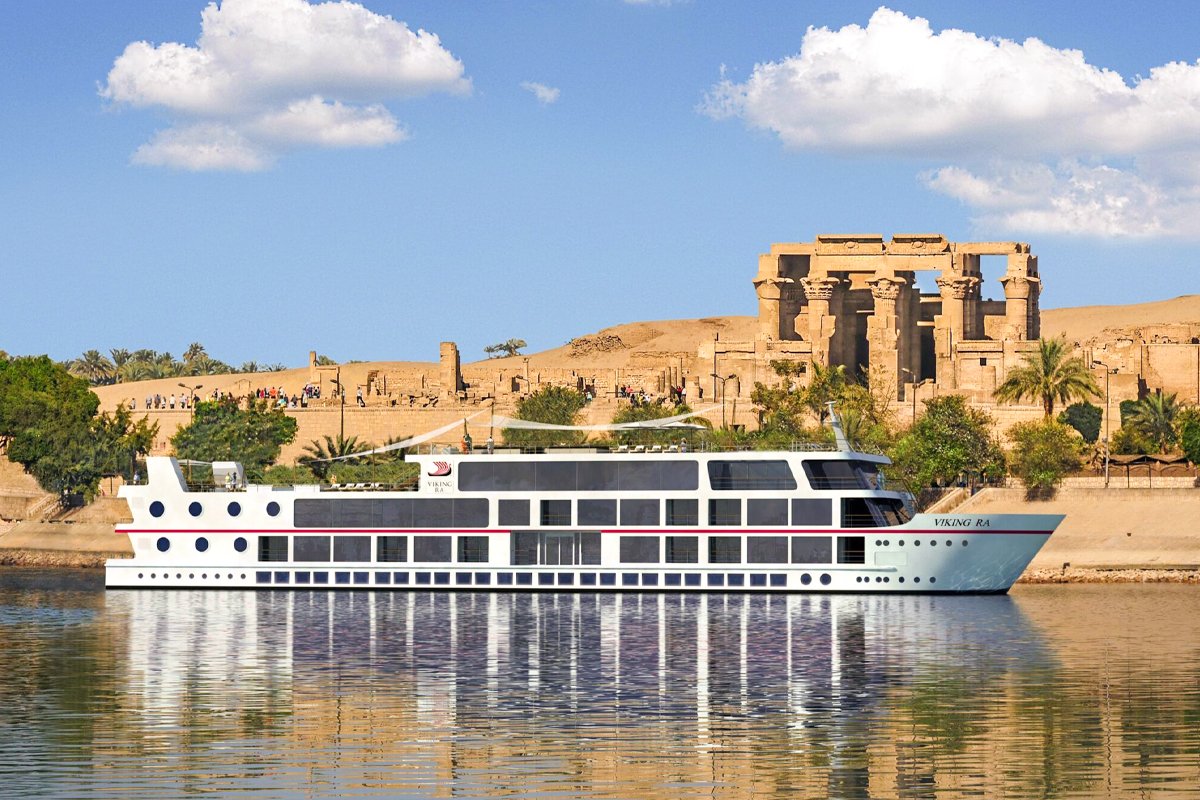
Egypt's Nile fleet is vast, ranging from intimate traditional sailing boats to enormous five-star floating hotels. The right choice depends on your budget, your taste for company, and how much time you plan to spend on board. Here is the honest comparison every traveller needs before booking one of the best Nile cruise ships for their trip.
| Feature | Standard Ship | Deluxe Ship | Dahabiya |
|---|---|---|---|
| Typical guest capacity | 50-80 cabins | 60-100 cabins | 6-12 cabins |
| Cabin size | Compact, river view | Spacious, large windows or balcony | Elegant, individually decorated |
| Onboard facilities | Restaurant, pool, bar, lounge | Multiple restaurants, spa, gym, panoramic lounge | Sundeck, salon, small dining room |
| Meal style | Buffet | Buffet plus à la carte evenings | Freshly cooked à la carte |
| Entertainment | Galabeya party, folklore show | Folklore, Nubian dancers, galabeya night, DJ | Quiet evenings, local musicians on request |
| Excurions included | Main sites | Main sites, some extras | Main sites |
| Best for | Budget travellers | Comfort-focused holidaymakers | Romantic, small-group travel |
Standard ships are clean, reliable, and great value. Cabins are compact but comfortable, meals are served as generous buffets, and the atmosphere is friendly and international. You will spend most of your time off the ship at the sights anyway, so many savvy travellers happily trade frills for a lower price.
Deluxe and five-star ships add genuine comfort: larger cabins, private balconies on the best vessels, heated pools, spa facilities, and more attentive service. If you are travelling on a honeymoon, or if you simply believe that a holiday should feel like a treat from morning to night, the upgrade is worth every pound. Ask us about the newest launches in the fleet, because the difference between a well-maintained older ship and a recent build can be significant.
Cabin Types and Deck Positions
Choosing a cabin is more than picking a bed for the night; it shapes how much of the river you see from your window. River-view cabins face the Nile, and on most ships every cabin does, since the fleet was built around the view. The real choice is between a lower-deck cabin, which sits close to the waterline with a small window, and an upper-deck cabin, which offers larger windows, a French balcony or a full walk-out balcony, and easier access to the restaurant and sundeck. If you love the idea of opening your curtains in the morning to watch the banks slide past, a balcony cabin is one of the best-value upgrades in travel.
Inside the cabin you can expect an en-suite bathroom, air-conditioning, a television, a safe, and typically a small desk or dressing table. Beds are arranged as double or twin, and triple and family cabins exist on many ships. Keep in mind that older ships were built in the era of compact design, so if space is a priority, ask for a deluxe cabin or a newly renovated vessel. Our advice is simple: choose your deck position by priority, view first, then quiet, because cabins directly above the engine or beside the lounge can be noisier at night.
Whichever class you choose, remember that all ships visiting the classic route stop at the same ports and visit the same temples. A standard ship and a deluxe ship deliver the identical sightseeing; what changes is how you feel at 6pm when you return to it. That single sentence is the most useful rule of thumb we can give you about choosing among the best Nile cruise ships.
The Dahabiya Cruise Egypt: An Intimate Alternative
If the idea of a hundred-room floating hotel feels too big, consider a Dahabiya cruise in Egypt. A Dahabiya is a traditional wooden sailing boat, inspired by the elegant vessels that carried wealthy travellers up the Nile in the nineteenth century, and modern versions carry just six to twelve cabins of guests. There is no engine noise at sea; when the wind is right, the white sails unfurl and you drift in near silence, and when the river is calm the crew may even row.
The itinerary is broadly the same as the classic Luxor to Aswan cruise, but the experience is profoundly different. Because Dahabiyas are small, they can moor where the big ships cannot: beside quiet riverbanks, in front of small villages, away from the crowded commercial docks. You will wake to the sound of birds rather than generators, and your hosts will often greet you with mint tea on the deck as the sun comes up.
Meals on a Dahabiya are cooked fresh on board by a small kitchen team, and because there are so few guests the menu is more personal, with plenty of Egyptian home cooking alongside international favourites. There is no buffet queue and no disco; the entertainment is conversation, starlight, and the occasional Nubian musician invited aboard for the evening. The cabins are beautifully decorated, often with traditional mashrabiya screens and hand-painted walls, and the whole vessel feels more like a boutique hotel than a cruise ship.
Two caveats are worth knowing. Dahabiyas sail more slowly and sometimes run on a shorter route, so they tend to suit a four-to-seven-night duration, and their smaller size means you should book early, especially in high season, because cabins sell out months ahead. For couples and small groups who want the Nile to themselves, however, a Dahabiya cruise in Egypt is the most romantic and memorable way to see the river, and it is increasingly the choice of returning visitors who have already done the big-ship circuit.
Dining on Board: From Buffets to Galabeya Nights
One of the great pleasures of a Nile cruise is the food. Most ships serve a substantial buffet breakfast, a generous lunch, and a multi-course dinner, with water and tea included and soft drinks, beer, and wine available at the bar. Egyptian cuisine shines here: stuffed vine leaves, baba ghanoush, falafel and tahini, grilled meats and fish, and fresh bread from the onboard bakery.
Every night the menu changes, and there are usually theme evenings where the kitchen goes all out. Look forward to an international night, an Egyptian night featuring local specialities, and on many ships a barbecue on the sundeck. Dietary requirements are handled well if you tell us in advance; vegetarian options are always plentiful, and most kitchens can prepare halal, gluten-free, and children's portions without fuss.
The nightly galabeya party is a ritual on almost every ship. Guests dress in the traditional Egyptian galabeya robes (usually sold on board or brought from the souk), the crew leads dancing and games, and the evening ends with music and laughter. It sounds like a cliché until you are there, half a dozen new friends at a table, and you realise it is one of the most fun nights of your trip. On the same evening, a Nubian folklore show performs on the sundeck or in the lounge, with drums, singing, and colour that have survived for centuries along the river.
A Day on Board: Life Between the Temples
Between the monuments, the ship becomes a small floating world with its own gentle rhythm, and first-time cruisers are often surprised by how much they enjoy the hours in between. A typical day begins early, because the best sightseeing happens in the cool morning light. Breakfast is served from around seven, the guides gather groups in the lobby, and by eight you are usually ashore at the day's first temple. The tours are led by licensed Egyptologists, and a good guide transforms a pile of carved stone into a living story of pharaohs, priests, and gods.
You return to the ship around lunchtime, and the afternoon is gloriously free. The pool decks fill with swimmers and readers, the barista serves coffee and fresh juices, and the ship's sundeck becomes a grandstand for watching riverside life: water buffalo ploughing emerald fields, children waving from the banks, feluccas gliding past with their tall white sails, and always the distant line of golden desert cliffs. This is the time to unwind, to nap in the shade, or to try a shisha on deck while the world drifts by.
Late afternoon brings a second excursion, usually the day's shorter or more atmospheric site, and then it is time for dinner, conversation with fellow passengers, and the evening's entertainment. The result is a holiday that feels surprisingly spacious: busy enough to be exciting, calm enough to leave you truly rested. For many of our guests, the quiet afternoon hours are what they remember most fondly, more even than the temples themselves.
Excursions and Add-Ons on the Classic Route
Your Nile cruise itinerary includes the main monuments, but several excursions are offered as paid add-ons, and it pays to know which ones are worth the money before you board. The headline is Abu Simbel, the twin temples of Ramses II carved into a sandstone cliff at the southern edge of Egypt. The road journey from Aswan takes roughly three hours each way through the desert, and the pre-dawn start is tiring, but the sight itself is one of the most awe-inspiring monuments in the world, and the great relocation of the temples in the 1960s is a feat of engineering worth reading up on before you go.
The Valley of the Kings deserves special planning. The tomb entrance fee includes three tombs, but the most famous tombs, including those of Tutankhamun and Ramses VI, cost extra, and photography permits are separate. We recommend deciding before you arrive which extras matter to you. A hot-air balloon flight over the West Bank at sunrise is another unforgettable add-on, offering a bird's-eye view of the temples and the river that is completely different from anything you will see from the ground.
In Aswan, the most popular add-ons are the Nubian village visit, the sunset felucca ride, and the Sound and Light show at Philae. The Nubian villages south of Aswan are painted in brilliant blues, pinks, and yellows, and a short boat ride there includes tea with a local family and the chance to hold a baby crocodile. A felucca at sunset, with the lights of Aswan rising behind you and a hot glass of tea in your hand, is the cheapest and most peaceful experience on the entire river.
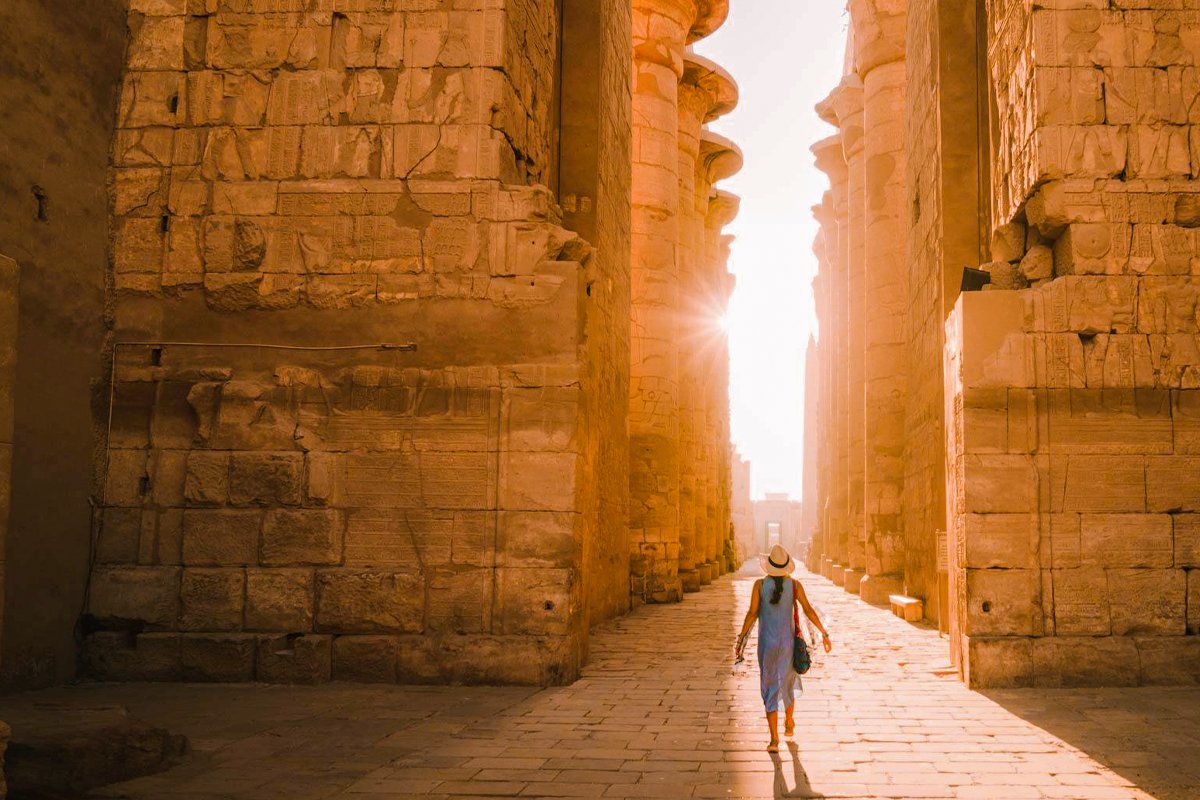
Many travellers also add the East Bank temples of Karnak before boarding, and we encourage it if your schedule allows. Karnak is the largest temple complex in Egypt, a sprawling forest of columns built and embellished by pharaoh after pharaoh over two thousand years, and its Great Hypostyle Hall is one of the most breathtaking spaces in the ancient world. It is usually visited as part of a pre-cruise day in Luxor, and it pairs perfectly with a late-evening visit to the floodlit Luxor Temple, which lies a short walk from the corniche where your ship will dock. Between Karnak on the east bank and the Valley of the Kings on the west, you will have seen the two greatest concentrations of ancient monuments in Egypt before your cruise has even officially begun.
A few words on etiquette at the temples. Licensed guides walk the sites with authority, and it is wise to follow their schedule, because the monuments get busy in waves when the convoys of ships arrive together. Modest clothing, a hat, and sunscreen are essential in summer, and comfortable closed shoes matter more than stylish ones, because the stone paths are uneven and the heat radiates fiercely from the ground. Haggling for souvenirs is expected and enjoyable, but buy water and snacks from the ship, where prices are fixed and fair.
From Aswan you can also fly to Abu Simbel instead of driving, which compresses the excursion into a single morning and returns you to the ship in time for lunch. The flight costs more but saves several hours, and for travellers short on time it is the smart choice. Whatever you decide, book your add-ons through us in advance where possible; ships allocate limited tickets, and tours like the balloon flights can sell out at peak season.
When Is the Best Time to Sail?
The Nile cruise season runs from October to April, when the weather is at its most comfortable. December and January are the peak months, with mild days in the low twenties Celsius, cool nights, and the best sightseeing conditions. This is also when ships are fullest and prices are highest, so book well ahead if you are set on a Christmas or New Year sailing.
February to April remains beautiful, with temperatures climbing gently towards the end of the period. September and the early part of October are hot, with afternoons that can touch forty degrees in Upper Egypt, but the light is superb and the crowds are thinner, and if you pace your sightseeing around the heat you can still have a wonderful trip at a significantly lower price. May through August is the low season: some ships reduce their programmes, the air-conditioning works hard, and swimming in the pool becomes the most popular activity of the afternoon.
One seasonal note for photographers: the Nile's level is highest between August and October, when the banks are green and lush, and lowest in the spring. Both have charm, but the lush, flooded scenery of late summer is something many travellers never see. Whichever month you choose, schedule your Abu Simbel excursion for the morning, when the site is coolest and the low sun makes the colossal statues glow.
Two dates deserve special mention for enthusiasts. On the 22nd of February and the 22nd of October each year, the sun aligns with the inner sanctuary of the great temple at Abu Simbel, illuminating the statues of the seated gods, and these solar festival days draw crowds from around the world. If you happen to be sailing during one of those weeks, be prepared for busier sites, and book your Abu Simbel excursion months in advance. Easter, the school holidays, and the week around Christmas are similarly popular, so the golden rule for the best Nile cruise itinerary is this: decide your season first, then your ship, and book both early. Last-minute cruises do exist, but the best cabins and the newest vessels are almost always claimed ahead of time.
Booking Tips: How to Get the Best Nile Cruise Itinerary for You
Booking a Nile cruise well is mostly about asking the right questions before you pay. Here are the ten questions we wish every traveller asked us:
- Which direction does the ship sail, and which days are the main excursions on? This matters for your flight times.
- Is the itinerary an early departure or a late departure? Some ships sail at 5pm, others at midnight, which affects whether you see Edfu in the morning light.
- Which excursions are included in the base price, and which are paid separately? The answer varies surprisingly between ships.
- What is the cabin upgrade price, and is a balcony worth it? On some ships the difference is tiny.
- Does the ship have a pool and sundeck, and is there shade on the sundeck?
- What is the meal schedule, and can the kitchen accommodate allergies or dietary requirements?
- Are drinks included at dinner, or is the bar charged separately?
- What is the policy for single travellers, and is there a supplement?
- Does the price include transfers from Luxor airport or train station, and back to Aswan airport?
- What happens if the river level or a convoy schedule changes the itinerary? Choose an operator with a clear and fair policy.
Buy through a reputable local operator rather than a bargain internet aggregator. Local operators know the fleet intimately, secure better cabins, and can rescue a trip when a ship breaks down or a flight is delayed, which happens far more often than you would like. Our own team at Maddy Tours Egypt monitors every sailing personally, so if anything changes while you are travelling, we are only a message away.
A final practical note: pack light, cotton clothes, a hat, sunscreen, and good walking shoes for the temples. Most ships have a small dress code for dinner, usually smart casual, and galabeya night is optional and relaxed. Bring small change in Egyptian pounds for toilet attendants, tea stalls, and carriage drivers, and keep your passport and valuables in the cabin safe when you are ashore.
Nile Cruise Itinerary FAQ
Here are the questions travellers ask us most often about planning their Nile cruise itinerary, answered in plain language.
| Question | Answer |
|---|---|
| How many nights should my Nile cruise itinerary include? | Four nights is the best all-round choice for most travellers. Choose three if you are short on time, five for extra relaxation in Aswan, and seven to add Dendera and Abydos. |
| Is the Luxor to Aswan cruise better than the reverse direction? | Both directions visit the same sites; the order differs. Luxor to Aswan is the most common and makes flight planning simple, since most visitors arrive at Luxor and leave from Aswan. |
| Is Abu Simbel included in the cruise price? | Usually not. Abu Simbel is almost always a paid add-on, by road (about six hours round trip) or by air from Aswan (a half-day excursion). |
| What is the difference between a standard ship and a deluxe ship? | Cabins, facilities, and service. Sightseeing is identical because all ships call at the same ports. Deluxe ships add balconies, pools, spas, and more attentive dining. |
| How many people travel on a Dahabiya cruise Egypt? | Typically between 6 and 12 cabins, often fewer than 25 guests in total, compared with 100-200 on a conventional ship. |
| Is a Nile cruise suitable for children? | Yes. Most ships welcome children, offer family cabins and a pool, and the temples and carriage rides fascinate younger travellers. Ask us about child-friendly cabins. |
| What is the dress code on board? | Relaxed during the day, smart casual at dinner. Temples require modest dress with shoulders and knees covered. |
| Do I need a visa and travel insurance? | Yes, a visa on arrival or e-visa for Egypt, plus comprehensive travel insurance that covers medical care and trip interruption. |
| Can I fly directly to Aswan and join the cruise there? | Yes, several ships offer reverse direction sailings from Aswan to Luxor, and your operator can arrange onward travel. |
Sail the Nile with Maddy Tours Egypt
The Nile has been the lifeblood of Egypt for five thousand years, and sailing between Luxor and Aswan is still the finest way to experience the temples, tombs, and riverside life that line its banks. Whether you choose a classic four-night sailing, an extended grand voyage, or an intimate Dahabiya cruise in Egypt, the river will reward you with scenery and history that no photograph can fully capture.
At Maddy Tours Egypt, based in Cairo, we tailor every Nile cruise itinerary to the traveller standing in front of us. We will help you pick the right ship, the right cabin, the right excursions, and the right season, and we will be there to help from the moment you land until the moment you fly home. Ready to set sail? Get in touch with Maddy Tours Egypt today and let us build the perfect Luxor to Aswan cruise around your holiday, your budget, and your dreams.