Best Time to Visit Egypt: A Complete Seasonal Guide
If you are planning a trip to the land of the pharaohs, the question of the best time to visit Egypt is probably the first one that comes to mind, and for good reason. Egypt is a country of extremes, where the blazing heat of an Upper Egyptian summer feels nothing like the crisp, golden mornings of a winter day on the Red Sea coast. The right season can mean the difference between strolling through the temples of Karnak in perfect comfort and hiding from a punishing midday sun, between floating over the Valley of the Kings in a silent balloon and watching that same sky fill with haze and wind. In this complete seasonal guide, we break down Egypt's weather by month, explain the ins and outs of Egypt's travel seasons, and tell you exactly what you can expect from Cairo, Luxor, Aswan, the Red Sea, the White Desert, and Sinai at any time of the year. Whether you dream of cruising the Nile in a felucca, diving the reefs of the Red Sea, or climbing Mount Sinai to watch the sunrise, this guide will help you pick the perfect window for your journey.
Why Timing Matters: The Short Answer
The simplest way to think about the best time to visit Egypt is this: aim for the cooler half of the year. From roughly October through April, daytime temperatures across most of the country are pleasant enough for sightseeing, nights are cool rather than cold, and the conditions for outdoor exploration are close to ideal. This window also happens to be Egypt's peak tourist season, which means more crowds and higher prices. If you prefer to travel on a budget or to have the great temples almost to yourself, the shoulder months of March, April, October, and November offer a beautiful compromise: good weather, manageable crowds, and rates that are noticeably lower than in December or January.
There is no single answer that works for everyone, because the best time to visit Egypt depends heavily on what you want to do. Divers want warm water and clear skies, so late spring and early autumn are superb. Desert trekkers want cool nights for sleeping under the stars, so the winter months are best. Nile cruise lovers want mild days and calm winds, which points to spring and autumn. Budget travelers want value, which points to the summer months and the weeks around Ramadan. Read on, and we will help you match your own travel style to the ideal season.
Egypt Travel Seasons at a Glance
Egypt's calendar divides into two dominant seasons and two quieter transitional ones, and understanding this rhythm is the key to a successful itinerary. The country has essentially no rain to worry about outside of a few winter days on the Mediterranean coast, so the real variable you are planning around is temperature: the contrast between the cool, clear winter and the fierce, dry summer is dramatic, and it shapes everything from cruise schedules to balloon flights to the way locals pace their day.
Winter (December to February): The Peak Season
Winter is the classic answer when people ask about the best time to visit Egypt. Days are warm and sunny, with highs in Cairo around 19 to 21 degrees Celsius, and evenings are crisp and sweater-friendly. In Luxor and Aswan you will enjoy gloriously mild days in the low to mid twenties, while the Red Sea offers a sunny escape with water temperatures around 22 to 24 degrees. This is the busiest stretch of the year, especially between Christmas and mid-January and again around February half-term, when European and North American travelers pour in. Book your hotels, cruises, and guide well ahead, because the best properties fill up fast.
There is a catch to winter travel: nights in the desert and in Upper Egypt can be genuinely cold, and the White Desert, in particular, drops near freezing after sundown. For most travelers this simply means packing a warm jacket and enjoying cozy evenings, but a summer-style packing list will leave you shivering after dark in December.
Spring (March to May): Golden Weather, Golden Light
Spring is arguably the sweetest season of all. March and April bring warm, dry, golden days with daytime highs that are comfortable almost everywhere, while the crowds thin out after the winter rush. This is a superb time for the Nile cruise, for visiting Luxor and Aswan, and for the White Desert, where nights are still cool enough to enjoy a campfire. The one wildcard is the khamsin, a dry, dusty wind that can blow in from the Sahara for a day or two, usually in late March or April, bringing a fine film of sand and a drop in visibility. These episodes are short-lived and rarely ruin a trip, but they are one reason some travelers prefer March or early April.
May is a transition month: it is still pleasant in the north and on the coast, but Upper Egypt begins to warm up noticeably, with Luxor pushing toward 35 degrees by the end of the month. If your itinerary is heavy on the temples of the south, early May is fine, but late May demands an early-morning sightseeing plan.
Summer (June to August): Hot, Quiet, and Cheap
Summer is the low season, and for good reason: daytime temperatures in Cairo hover around 34 to 36 degrees, Luxor and Aswan routinely exceed 40 degrees, and even the Red Sea coast feels scorching on land, even if the water is blissful. If you are asking about the best time to visit Egypt and your answer is a beach holiday with serious diving, summer can still work beautifully, because the sea is a perfect 27 to 29 degrees and hotel prices drop by half or more. But if your itinerary involves long afternoons in the Valley of the Kings, summer will test your stamina, and you will find yourself planning site visits for sunrise and sunset.
The great reward of a summer trip is emptiness. The temples, the museums, and the cruise boats are all far quieter, prices are at their lowest, and the light at dawn and dusk is stunning. Heat-sensitive travelers, families with very young children, and anyone booking a demanding overland itinerary should probably steer toward the cooler months instead.
Autumn (September to November): The Hidden Sweet Spot
Autumn is the quiet star of the Egyptian calendar and, for many repeat visitors, the true best time to visit Egypt. September is still hot, particularly in the south, but by October the heat breaks across the country and the conditions become delightful: clear skies, mild days, cool nights, and thin crowds. November is spectacular almost everywhere, with daytime highs in the mid twenties in Cairo, pleasant warmth in Luxor, and glorious Red Sea weather for both beach and boat. The peak season returns only in late December, so the autumn window offers a wonderful combination of quality weather, lower prices, and relaxed sightseeing.
Egypt Weather by Month: A Complete Month-by-Month Guide
To help you plan with precision, here is our month-by-month breakdown of Egypt weather by month, including the temperature you can realistically expect in the two cities you are most likely to visit, the chance of rain, and the kind of trip each month suits best. Remember that Egyptian evenings are always cooler than the daytime highs listed below, so check the nights as well as the days when you pack.
| Month | Cairo Avg High (°C) | Luxor Avg High (°C) | Rain | Best For |
|---|---|---|---|---|
| January | 19 | 23 | Rare (a few days) | Sightseeing, cruises, White Desert |
| February | 20 | 25 | Rare | Peak sightseeing, cruises, diving |
| March | 22 | 28 | Very rare | Nile cruises, temples, ballooning |
| April | 26 | 33 | Very rare | Red Sea, cruises, budget shoulder |
| May | 29 | 37 | None | Diving, north coast, early starts |
| June | 33 | 40 | None | Budget travel, Red Sea beach, diving |
| July | 35 | 41 | None | Budget travel, Red Sea, night sightseeing |
| August | 35 | 41 | None | Budget travel, diving, empty sites |
| September | 32 | 39 | None | Red Sea, late-season budget travel |
| October | 28 | 35 | None | Ideal all-round sightseeing |
| November | 23 | 29 | Rare | Ideal sightseeing, cruises, ballooning |
| December | 20 | 24 | Rare (a few days) | Peak holiday travel, cruises |
January: The Heart of the Season
January is the coolest month of the year and one of the most popular. Expect clear, sunny days and chilly mornings across the country, with Cairo highs around 19 degrees and nights dropping to about 9. Luxor and Aswan are divine, with comfortable days in the low twenties and crisp, starry nights that are perfect for an evening felucca sail. The Red Sea remains pleasant for swimming, and the White Desert offers superb star-gazing if you bring serious layers. Crowds are heavy from New Year through the middle of the month, and this is squarely the best time to visit Egypt for anyone who wants textbook-perfect sightseeing weather, but you must book well ahead.
February: Sun and Fewer Crowds
February brings a gentle warming and a slight easing of the crowds. Days in Cairo climb toward 20 to 21 degrees, Luxor reaches the mid twenties, and the south feels positively springlike. This is a magnificent month for the Nile cruise, for the temples of Edfu and Kom Ombo, and for climbing Mount Sinai, though you should expect freezing temperatures at the summit in the early morning hours, so take a warm jacket and gloves. The Red Sea is lovely, with around eight hours of sunshine a day. If you can manage the half-term rush, February is close to perfect.
March: Spring Sunshine Arrives
March is when the country begins to wake up after winter. Cairo warms to the low twenties, Luxor and Aswan are comfortably warm in the high twenties, and the balmy evenings are ideal for a sunset felucca ride or a night at the Aswan Sound and Light Show. This is one of our favorite months for a Nile cruise and a hot-air balloon flight over the Valley of the Kings, as the morning air is calm and the visibility superb. Be aware that late March can occasionally bring a khamsin dust storm that lasts a day or two, so leave a little slack in a long itinerary built around balloon rides.
April: The Golden Shoulder Month
April is arguably the best value month in Egypt. The winter crowds have gone, the weather is still very good, and prices sit between the peak and summer rates. Cairo is warm rather than hot, the Red Sea is superb for swimming and diving, and Upper Egypt is manageable if you start early. The khamsin wind appears most often in April but is brief and rarely affects more than one day. For many of our guests, April is the sweet spot of the entire calendar, especially for a Red Sea and cruise combination.
May: Warming Up, Quieting Down
May is a month of two halves. In the north and on the coast, conditions remain delightful: Cairo is warm, the Mediterranean beaches of Alexandria are coming alive, and the Red Sea water is a beautiful 24 to 25 degrees. In Upper Egypt, however, the heat begins to bite, with Luxor pushing 37 degrees by the end of the month. This is the time to plan your Valley of the Kings visit for the first slot of the morning and to build in long, lazy afternoons by a pool. If your trip is coast-heavy, May is excellent; if it is temple-heavy, come earlier.
June: The Low Season Begins
June marks the start of Egypt's low season. Temperatures climb steeply across the country, with Cairo in the low thirties and Luxor hovering around 40 degrees, but the crowds thin out dramatically and hotel prices tumble. The Red Sea remains a brilliant choice, with water around 26 degrees and world-class visibility for divers. If you are traveling on a budget and can handle the heat, June is one of the cheapest months of the year, and the great sites feel wonderfully quiet after the spring rush.
July and August: Deep Summer
July and August are the hottest months, when the idea of the best time to visit Egypt shifts entirely to the coast and the water. Cairo bakes under 35-degree highs, and Luxor and Aswan routinely exceed 40, which makes long days of sightseeing genuinely grueling. The Red Sea, by contrast, offers its warmest water of the year, around 28 to 29 degrees, and the diving is superb. Many Egyptian families themselves head to the beach in August, so expect to share the resorts with local holidaymakers. If you do choose summer, embrace the rhythm of the country: start early, rest at midday, and explore again after sunset. The great temples at night are a magical, overlooked experience.
September: The Heat Lingers
September is still hot, especially in the south, but the worst of the summer is behind you and the sea remains gloriously warm. This is an excellent month for a diving holiday, with the water at its most comfortable and the resorts relatively quiet. In Cairo and along the coast you will feel the first breath of autumn by the end of the month. For a Red Sea specialist trip, September is close to ideal, at still-low prices.
October: The Weather Turns Perfect
October is when the country exhales. The heat breaks across the board: Cairo settles into the high twenties, Luxor and Aswan are warm but comfortable, and the Red Sea is calm, clear, and perfect for boats and snorkeling alike. Crowds are still light, cruise prices are sensible, and the light on the temples is glorious. If we had to name the single best month for a classic Egypt itinerary taking in Cairo, the Nile, and the Red Sea, October would be our answer, and it is a genuine contender for the best time to visit Egypt of any month.
November: Peak Conditions Return
November is a mirror image of spring: superb weather, rising demand, and a sense that the peak season is just around the corner. Days are mild and sunny across the country, nights are cool and comfortable, and the White Desert once again becomes a star attraction with its cold, clear nights. The Nile cruise season is in full swing, balloon flights run most mornings, and the diving remains good in the Red Sea. Book your flights and hotels early if you are traveling over the Thanksgiving window from North America.
December: Festive Magic and Full Crowds
December delivers the full winter spectacle: festive lights in Cairo's hotels, Christmas markets in Zamalek, and a holiday atmosphere that many travelers love. The weather is crisp and clear, with pleasant days and genuinely cold nights in the desert. This is the busiest, most expensive time of the year, especially the two weeks from Christmas to New Year, so book months in advance and expect crowds at the pyramids and in Luxor. For all that, a December trip feels magical, and the morning light on the Valley of the Kings in the dead of winter is as beautiful as it gets.
When to Visit Each Region of Egypt
Egypt is a big country, and a two-week itinerary may sweep you from the Mediterranean coast to the Sahara and back to the Red Sea. Because the climate varies so much between regions, the best time to visit Egypt for one part of the country may not be the best for another. Here is how each region behaves through the seasons.
Cairo
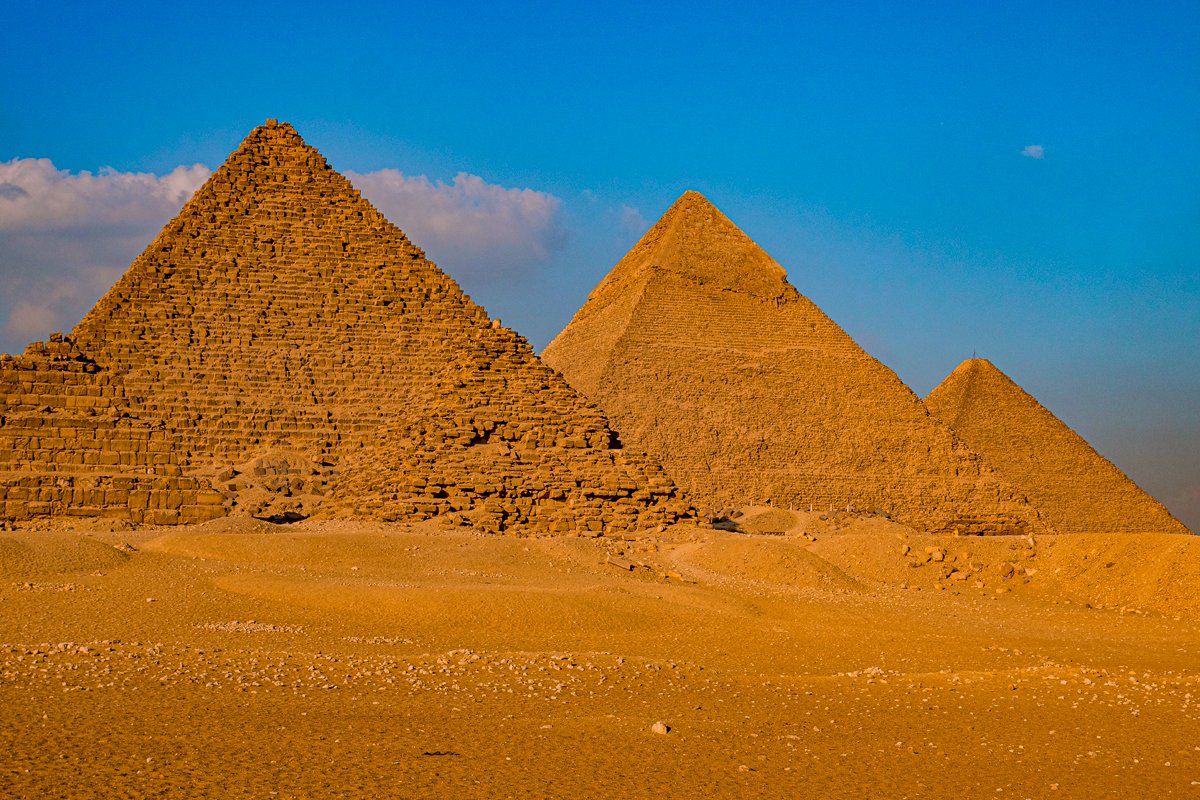
Cairo is a year-round destination, but its ideal season runs from October to April. In winter the city is pleasantly cool, with days in the high teens and low twenties, perfect for exploring the pyramids at Giza, the Egyptian Museum, the Citadel, and Old Cairo on foot. Summers are hot and humid, with highs around 35 degrees, so most tour planning shifts to morning and evening. Spring and autumn are delightful, and Cairo is at its loveliest in October and April, when the light over the Nile is soft and golden. If you are asking when to schedule Cairo specifically, our recommendation is any time from late September through November, or from February through April.
Luxor and Aswan
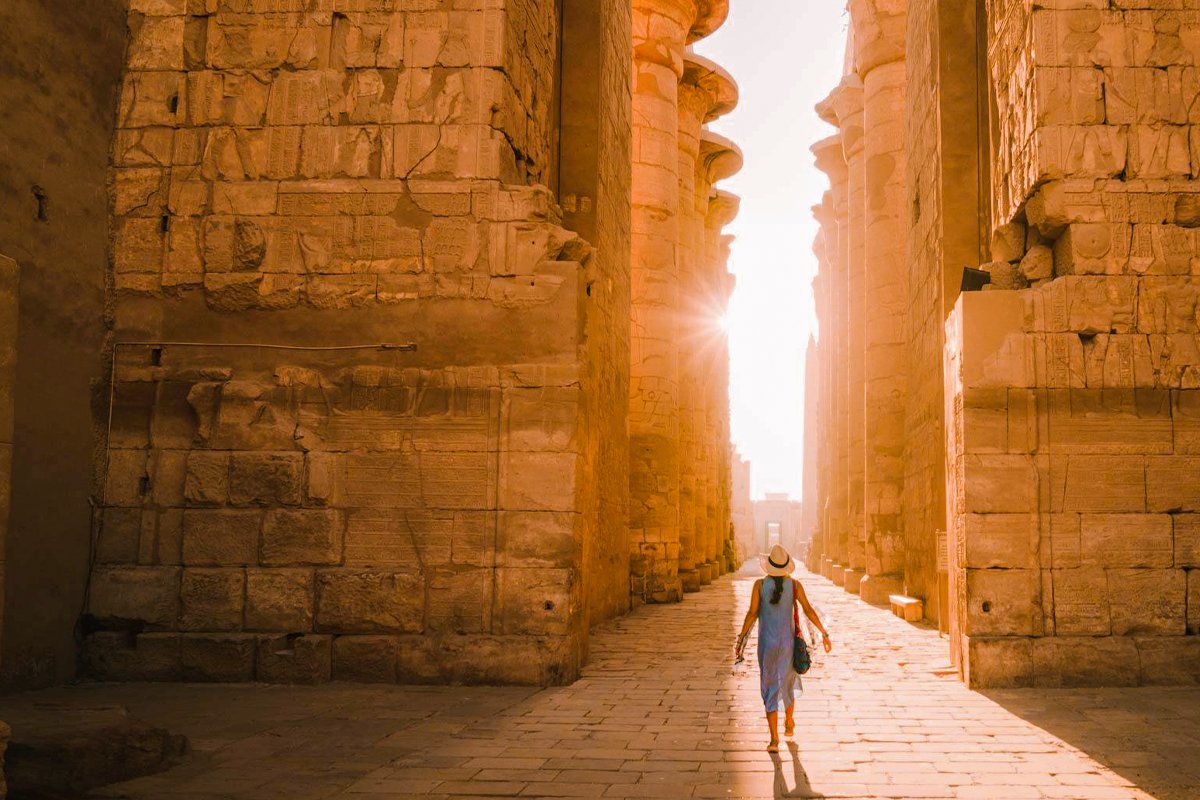
The great temples of Upper Egypt deserve special care in planning, because this is the hottest region in the country. From November through February, Luxor and Aswan enjoy their celebrated mild winters: sunny days in the low twenties, perfect conditions for the Valley of the Kings, Karnak, the Temple of Hatshepsut, the Colossi of Memnon, and a leisurely felucca ride on the Nile. This is the peak season, and cruise boats and riverbank hotels fill quickly. In March and April the weather is still excellent, with warmer days and fewer crowds, which many travelers prefer. May through September is brutally hot, with afternoon highs over 40 degrees in July and August, and sightseeing becomes a sunrise and sunset affair. The consolation of summer here is emptiness: at the heat of midday you may have entire temple halls to yourself. For the classic Upper Egypt experience, November to April is the sweet spot, and December and January are the classic best time to visit Egypt for temple enthusiasts.
The Red Sea Coast
The Red Sea resorts of Hurghada, Marsa Alam, and El Gouna, plus the Sinai resorts of Sharm el-Sheikh and Dahab, are close to a year-round destination, because the climate is milder than the interior and the real attraction is beneath the waves. The water is swimmable in every month, ranging from about 22 degrees in winter to a bathtub-warm 29 degrees in August. Divers love spring and autumn, when the sea is calm, visibility is exceptional, and the weather is comfortable both on land and in the water. Winter is a superb escape from colder climates, and the resorts are busy but festive. Summer is hot and dry but still hugely popular with divers and beach lovers, and prices are at their lowest. If your whole trip is built around the Red Sea, there is no bad month, though October to December and March to June are the most consistently pleasant.
The White Desert
The White Desert in Egypt's Western Sahara is a very different proposition, because here the night temperature matters more than the day. This surreal landscape of wind-carved chalk formations is best enjoyed with a desert camping trip, which means the ideal season runs from November to March, when nights are cold and starry and the daytime sun is manageable. In deep winter, temperatures can drop close to zero after sunset, so a proper warm sleeping bag and layers are essential, but the reward is some of the most spectacular night skies on Earth. In summer, nights are mild and comfortable but the days are furnace-hot, and most desert camps run only short trips. Spring and autumn offer a balance, and the khamsin wind, when it blows, is felt most in the desert, so watch the forecast if you book a White Desert trip in March or April.
Sinai and Mount Sinai
Sinai has two faces. On the coast, Sharm el-Sheikh and Dahab offer the same mild, dry Red Sea climate described above, with year-round appeal for divers and beach lovers. Inland, Mount Sinai and Saint Catherine's Monastery are a high-altitude world of their own: the summit of Mount Sinai is 2,285 meters above sea level and can be freezing at night in winter, with occasional frost and even rare snow. The classic sunrise climb is possible year-round, but the most comfortable conditions come in spring and autumn, when the nights are cool rather than bitter. In summer the climb is hot, though the altitude keeps the worst of the heat away. If you plan to summit for sunrise, bring layers and a warm hat regardless of the season, and remember that the best time to visit Egypt for the coastal resorts may differ from the best time for the mountain climb.
| Region | Winter (Dec-Feb) | Spring (Mar-May) | Summer (Jun-Aug) | Autumn (Sep-Nov) |
|---|---|---|---|---|
| Cairo | Excellent | Very good | Hot, quieter | Excellent |
| Luxor & Aswan | Excellent (peak) | Very good | Very hot | Excellent |
| Red Sea Coast | Very good | Excellent | Hot, cheap | Excellent |
| White Desert | Best (cold nights) | Very good | Very hot days | Best |
| Sinai Coast | Very good | Excellent | Good for diving | Excellent |
| Mount Sinai | Very cold summit | Best for climb | Hot but possible | Best for climb |
Special Periods: Ramadan, Eid, and Christmas
Beyond the weather, a few calendar events shape travel in Egypt dramatically, and understanding them can save you surprises. The Islamic lunar calendar shifts roughly ten or eleven days earlier each year, so Ramadan, Eid al-Fitr, and Eid al-Adha move through the seasons over time, and their dates change from year to year.
Traveling During Ramadan
Ramadan is the Muslim holy month of fasting, when Egyptians abstain from food and drink between sunrise and sunset. For travelers, this brings a fascinating cultural experience: cities come alive after dark, cafes and streets buzz late into the night, and festive lanterns decorate the boulevards. During daylight hours, however, things run on a slower clock. Many restaurants are closed until sunset, working hours are shortened, and some sites may adjust their schedules. As a non-Muslim visitor you are not expected to fast, but it is courteous to avoid eating, drinking, or smoking in public during daylight, and most tour operators adjust itineraries to make the most of the mornings and evenings.
In practical terms, Ramadan is one of the cheapest times to travel, with hotel rates at seasonal lows and thin crowds. During Ramadan the weather depends on which season the month falls in, so you may find fasting-season sightseeing in mild winter or scorching summer conditions. After sunset, iftar, the meal that breaks the fast, is a wonderful experience, and many hotels lay on special Ramadan menus and atmospheric evenings. If you are invited to an iftar, it is a generous gesture to accept. The main cautions are simple: confirm opening hours for restaurants and sites each day, carry water and snacks for yourself, and enjoy the magical evening atmosphere.
Eid al-Fitr and Eid al-Adha
The two Eid festivals follow Ramadan and are among the biggest public holidays in Egypt. Eid al-Fitr ends the fasting month, while Eid al-Adha, the Festival of Sacrifice, falls about two months later. During these holidays, Egyptian families travel in huge numbers, and domestic tourism spikes. Popular resorts like Hurghada, Sharm el-Sheikh, and Alexandria fill with local holidaymakers, hotel prices rise sharply, and beaches can be crowded. If you are not specifically interested in experiencing the celebrations, it is often wiser to avoid the two weeks around each Eid, as prices climb and availability tightens. If you do travel then, expect a lively, family-filled atmosphere and book everything considerably in advance.
Christmas and New Year
Christmas and New Year are the biggest commercial travel events of the year. Cairo, Luxor, and the Red Sea resorts all dress up for the holidays, with gala dinners, festive cruises, and special events in the big hotels. The weather is at its finest, with crisp sunny days ideal for sightseeing, which makes this period one of the most desirable times to visit and, accordingly, the most expensive. Prices for flights, hotels, and cruise cabins can double, and the best properties are reserved months ahead. Coptic Christmas, celebrated on January 7, adds another layer of atmosphere, with traditional celebrations that many visitors find fascinating. If you dream of a Christmas on the Nile or New Year on the Red Sea, book at least four to six months in advance and set your budget accordingly.
Nile Cruises, Hot-Air Balloons, and Diving Seasons
Some of Egypt's most memorable experiences run on their own seasonal clocks, so here is when to plan them.
The Nile Cruise Season
The Nile cruise between Luxor and Aswan runs essentially year-round, but the experience differs enormously by season. From October through April, the cruise season is at its height: days are pleasant, decks are comfortable, and the top boats and cabins are in high demand. December and January are the premium months, with the most desirable departures booked solid. In summer, cruises are far cheaper and emptier, but daytime temperatures above 40 degrees make onshore visits exhausting, and some operators trim their schedules. The best value and the best balance of comfort and crowd levels come in March, April, October, and November, when the river is calm, the sun is warm, and you can realistically enjoy both the boat and the temples. Whichever month you choose, we recommend booking at least six to eight weeks ahead during the peak season, and four to six months in advance for the Christmas window.
The Hot-Air Balloon Season
Balloon flights over the West Bank of Luxor, drifting above the Valley of the Kings and the Temple of Hatshepsut at sunrise, operate through the year, but the season is at its best from October to April, when the mornings are clear, calm, and cool. The flights are weather-dependent and run at dawn, so a mild, windless morning is essential; in summer, the early start is earlier still, to beat the heat. October, November, February, and March offer the most reliable flying weather, with long windows of clear skies and gentle winds. Flights do occasionally cancel for wind or fog, so if a balloon ride is a must-do, build a spare morning into your Luxor itinerary and book through a reputable operator who can rebook you.
Red Sea Diving and Snorkeling Seasons
The Red Sea is a world-class diving destination all year, but the seasons do shape conditions. From April to June and from September to November, the water is warm, calm, and crystal clear, with excellent visibility and comfortable air temperatures, making these the most pleasant months for liveaboard cruises and shore-based diving alike. Winter brings cooler air but still swimmable water, and the reef life around Hurghada and Marsa Alam remains extraordinary; this is a popular escape for divers from colder countries. Summer offers the warmest water and cheapest prices, but the heat on land is intense and occasional currents can stir things up. For the best overall combination of comfort, visibility, and value, spring and autumn win easily.
Crowds, Prices, and When to Book
Timing is not only about weather; it is also about your wallet and your patience. Here is a quick guide to how crowds and prices move through the year.
| Period | Crowd Level | Price Level | Best Verdict |
|---|---|---|---|
| December–January | Very high | Highest | Best weather, peak prices |
| February–March | High | High | Great weather, book early |
| April–May | Moderate | Moderate | Excellent value sweet spot |
| June–August | Low | Lowest | Cheapest, very hot inland |
| September–November | Low to rising | Moderate | Best all-round conditions |
| Ramadan | Low | Low | Cultural bonus, adjusted hours |
| Eid holidays | Very high (domestic) | High | Avoid unless joining festivities |
If you are flexible with your dates, the single best move is to target October, November, or April, when you get near-peak weather at shoulder-season prices. If you must travel in the peak winter season, lock in your flights and hotels as far ahead as possible, and expect to pay a premium for the most desirable cruise cabins and Nile-view rooms. If you are on a strict budget and can tolerate heat, June to September offers prices that can be half of the winter rates, particularly at Red Sea resorts.
Our booking advice is simple. For the peak season from late December through February, book flights three to six months ahead and hotels and cruises at least two to three months ahead. For the shoulder seasons, booking six to eight weeks ahead is generally comfortable. For Ramadan and summer, you can often book a month ahead with ease. Whatever your window, a good operator will lock in the best rates early and save you from last-minute stress.
Frequently Asked Questions
Here are the questions we hear most often from travelers planning their Egypt itinerary, answered quickly and honestly.
| Question | Answer |
|---|---|
| What is the best time to visit Egypt overall? | October to April is the classic window, with November, February, and March offering the best balance of weather, crowds, and price. |
| Is Egypt too hot in summer? | Inland, yes: Luxor and Aswan can exceed 40°C. The Red Sea coast is more bearable, and summer is the cheapest season for budget travelers. |
| Does Egypt have a rainy season? | No. Rain is rare everywhere, with a few occasional winter days in Cairo and on the Mediterranean coast. You will rarely need an umbrella. |
| What should I pack for Egypt in winter? | Layers, a warm jacket for evenings and the White Desert, comfortable walking shoes, and sun protection for the surprisingly strong daytime sun. |
| Can you swim in the Red Sea in winter? | Yes. Water temperatures stay around 22–24°C in January and February, and many visitors happily swim and dive all winter. |
| Is the Nile cruise better in winter or spring? | Both work. Winter offers the classic peak experience, while spring (March–April) gives you warmer days, fewer crowds, and better value. |
| When does Ramadan fall? | Ramadan shifts about ten days earlier each year in the Gregorian calendar. Check the current dates, and consider how the season affects your sightseeing. |
| When should I book my Egypt trip? | Peak season: 4–6 months ahead. Shoulder season: 6–8 weeks ahead. Summer and Ramadan: a month ahead is usually fine. |
Final Thoughts: The Best Time to Visit Egypt Is the Time That Fits You
After reading this guide, you now know everything you need to choose your own best time to visit Egypt. If you want picture-perfect sightseeing weather and don't mind crowds and premium prices, book the winter months, especially November through March, and treat yourself to Egypt in winter at its finest. If you value empty temples, calm seas, and lower costs, aim for the shoulder months of October, November, or April. If your heart belongs to the Red Sea, spring and autumn are unbeatable. And if you are a budget traveler who can handle the heat, the summer months and the Ramadan period offer remarkable value and a unique cultural atmosphere that most visitors never see.
Whatever season you choose, the magic of Egypt will do the rest. The sun over Giza at dawn, the silent passage of a felucca on the Nile, the surreal chalk towers of the White Desert under a million stars, the deep blue of the Red Sea reefs: these moments belong to every season, and we will help you plan the perfect window for each one. If you would like a free, no-obligation itinerary built around your dates, your interests, and your budget, contact the Maddy Tours Egypt team today. We'll match you with the right season, the right route, and the right pace, so your trip to Egypt is everything you hoped it would be.